File Formats

MP4 vs WebM vs MOV: Choosing a Video Format

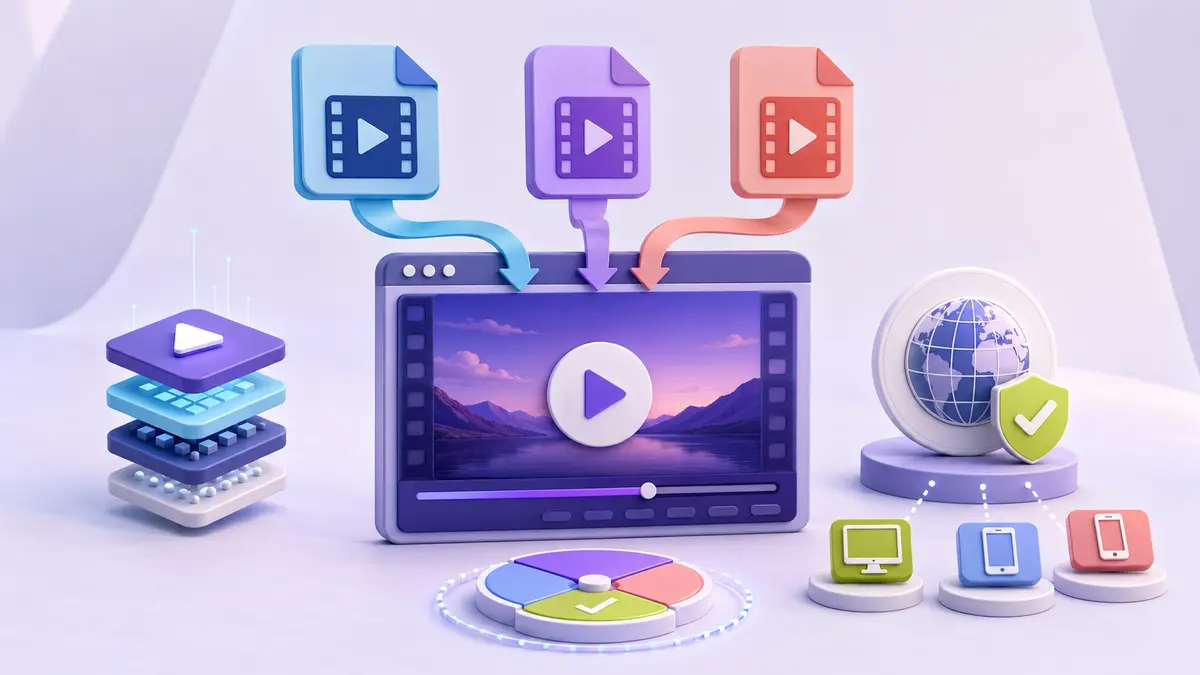
Choose a video container based on playback support, editing, streaming, quality, and file size.

MP4 vs WebM vs MOV: Choosing a Video Format

What this guide helps you do

Choose a video container based on playback support, editing, streaming, quality, and file size.

Use a controlled workflow and keep the original file until the result has been checked.

Recommended workflow

  1. Choose the correct Files Converter tool.
  2. Select the source file and review the available options.
  3. Process the file and save the output with a clear name.
  4. Open the result and compare it with the original.

What to check

Check pages, dimensions, text, transparency, links, names, and other details that matter for the intended use. Important files deserve more than a quick visual glance.

Privacy and safe handling

Prefer browser-based processing when the selected tool supports it. Review metadata and file names before sharing, and avoid sensitive work on an untrusted or shared device.
Related articles

How to Choose the Right File FormatFile Formats

How to Choose the Right File Format

A practical framework for choosing formats based on editing, compatibility, quality, size, accessibility, and long-term use.

PDF vs DOCX: What Is the Difference?File Formats

PDF vs DOCX: What Is the Difference?

Compare PDF and DOCX for editing, sharing, printing, accessibility, and long-term document workflows.

ZIP vs RAR: Key DifferencesFile Formats

ZIP vs RAR: Key Differences

Compare ZIP and RAR in compatibility, compression, splitting, recovery, and everyday sharing.

MP3 vs WAV vs OGG: Audio Quality and File SizeFile Formats

MP3 vs WAV vs OGG: Audio Quality and File Size

Understand when to use compressed audio, a lossless working file, or an open web-friendly format.